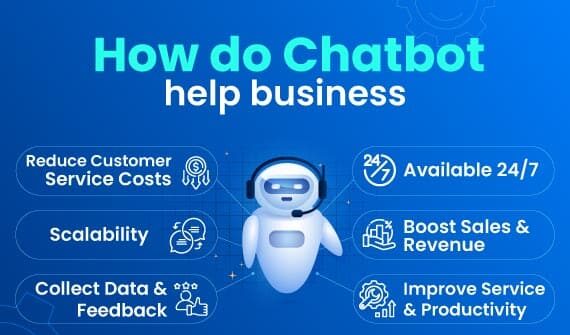
In today’s fast-paced digital landscape, small businesses are constantly seeking innovative ways to enhance customer engagement, streamline operations, and reduce costs. One of the most effective tools emerging in this arena is the chatbot, a sophisticated software application designed to simulate conversation with users. By leveraging chatbots, small businesses can provide 24/7 customer support, automate repetitive tasks, and ultimately improve the overall customer experience.
This article explores how small businesses can harness the power of chatbots, offering insights into their benefits, implementation strategies, and best practices for maximizing their impact.
Understanding Chatbots: What They Are and How They Work
Definition of Chatbots
Chatbots are like the friendly robots of the internet, designed to converse with users and handle inquiries in real time. Think of them as virtual assistants that can answer questions, provide information, or even entertain you while you wait for your pizza delivery.
Types of Chatbots: Rule-based vs. AI-driven
There are two main types of chatbots: rule-based and AI-driven. Rule-based chatbots operate on if-then rules, basically, they follow a script like a nervous actor in a play. AI-driven chatbots, on the other hand, utilize machine learning and natural language processing, allowing them to understand context, learn from interactions, and adapt their responses, kind of like a chatbot with a college degree.
How Chatbots Communicate with Users
Chatbots communicate using text or voice, responding to users in a conversational manner. They leverage various inputs, from simple keywords to complex queries, to gauge what the user needs. A good chatbot will feel like you’re chatting with a human, minus the awkward small talk about the weather.
Benefits of Chatbots for Small Businesses
24/7 Customer Support
Gone are the days of waiting for business hours to get answers! Chatbots can provide support around the clock, allowing customers to receive assistance even during those odd hours when you’re dreaming of your next vacation.
Cost Efficiency and Resource Allocation
Chatbots are a money-saving miracle for small businesses. By automating routine inquiries, they free up your human resources for high-priority tasks, like planning that much-needed staff retreat or, you know, just running the business.
Improving Customer Engagement and Satisfaction
A responsive chatbot can significantly boost customer engagement, making interactions smoother and more efficient. When customers can quickly get the info they need without the frustration of being on hold, their satisfaction skyrockets, just like the last slice of pizza at a party!
Choosing the Right Chatbot Platform
Factors to Consider When Selecting a Platform
When picking a chatbot platform, consider features like ease of use, customization options, integration capabilities, and, yes, budget. You want a platform that feels as comfortable as your favorite pair of sweatpants, functional yet stylish.
Popular Chatbot Platforms for Small Businesses
Some popular chatbot platforms include Chatfuel, ManyChat, and Tidio. Each has its unique flavor, like Ben & Jerry’s ice cream choices, you might want to sample a few before deciding which one satisfies your cravings.
Custom vs. Pre-built Solutions
Pre-built solutions are ready to roll, typically user-friendly and requiring minimal setup, ideal for those who prefer to keep it simple. Custom solutions, however, allow for tailored experiences that cater specifically to your brand’s vibe, just like how you wouldn’t wear flip-flops to a black-tie event.
Implementing Chatbots: A Step-by-Step Guide
Defining Your Goals and Objectives
Start by clarifying what you want your chatbot to achieve. Whether it’s answering FAQs, scheduling appointments, or increasing sales, knowing your goals will guide the entire chatbot journey, kind of like a GPS for your tech adventure.
Designing the Chatbot Conversation Flow
Think of this step as scripting a play where the chatbot is the star. Map out potential conversations, making sure it can handle common queries while keeping the tone friendly and engaging, no one wants a chatbot that sounds like a robot reciting poetry!
Testing and Launching Your Chatbot
Before rolling out your chatbot to the public, conduct thorough testing. Invite a few trusted colleagues to give it a whirl, provide feedback, and help you iron out any kinks. Once it’s ready, launch that baby and watch your customers marvel at how savvy you are!
Best Practices for Chatbot Engagement
Creating a Friendly and Natural Tone
When designing your chatbot, think of it as the friendly barista at your local coffee shop who knows your usual order. A casual tone mixed with a sprinkle of personality can make users feel at ease. Aim for language that’s warm and relatable, avoiding corporate jargon like the plague. Remember, humor can go a long way, but be sure it’s the right kind of humor, not the dad jokes that make everyone groan.
Personalization in Chatbot Interactions
Personalization is the cherry on top of your chatbot sundae. Using data like name, purchase history, and preferences can make conversations feel more individualized and less like a robot has taken over the world. Address users by name and tailor responses based on their previous interactions. When a chatbot can anticipate needs or preferences, that’s when the magic happens, and customers will love it more than a surprise holiday bonus.
Handling Complex Queries Effectively
Even the friendliest chatbot can hit a snag when faced with complex queries. Equip your chatbot with a robust knowledge base, ensuring it can guide users through the fog of confusion. Always provide an easy escape route, like the option to connect with a human (because no one wants to be stuck in chatbot limbo). Plus, consider incorporating machine learning so your bot can learn from past interactions and improve over time, like a fine wine or a well-aged cheese.
Integrating Chatbots with Existing Business Tools
Connecting Chatbots to CRM Systems
Integrating your chatbot with CRM systems is like giving it a brain. This connection allows your bot to access customer data, track interactions, and even update records automatically. Imagine a world where your chatbot knows a customer’s last purchase and can suggest complementary items. That’s the kind of synergy that turns casual shoppers into loyal fans, like finding out your favorite bookstore has a secret discount for its best customers.
Integrating Payment Solutions
Who says chatbots can’t handle the money side of things? Integrating payment solutions directly into your chatbot means customers can complete transactions without additional clicks. A smooth payment process can be the difference between a completed sale and an abandoned cart. Just be sure to prioritize security, no one wants their credit card info floating around like confetti at a party.
Leveraging Analytics Tools for Insights
Analytics tools are the secret sauce that allows you to stir things up and create a more engaging chatbot experience. By tracking user interactions, you can uncover patterns in behavior and preferences, making it easier to optimize your chatbot for better performance. Think of it like a dance partner, you need to keep an eye on the rhythm to avoid stepping on toes!
Measuring Success: Key Metrics for Chatbot Performance
Understanding User Interaction Metrics
User interaction metrics are like the heartbeat of your chatbot, if it’s flatlining, you might need to intervene. Keep an eye on metrics like engagement rates, session duration, and click-through rates. These figures will tell you whether users are enjoying their chat or heading for the exit faster than you can say “small business.”
Evaluating Conversion Rates and ROI
At the end of the day, it’s all about the benjamins, right? Track conversion rates to see how well your chatbot converts casual browsers into eager buyers. Combine this with an analysis of your return on investment (ROI), and you’ll have a clearer picture of your chatbot’s financial impact. Remember, a well-performing chatbot can lead to sales that are juicier than a summer watermelon, so don’t ignore the numbers!
Gathering User Feedback for Continuous Improvement
Feedback is your chatbot’s best friend, much like a loyal dog who tells you when you’ve missed a spot while cleaning. Incorporate methods for gathering user feedback either through follow-up questions or surveys post-interaction. This data will help you identify problem areas and refine your chatbot experience, ensuring it continues to meet customer needs and evolve with them, like a fine-tuned instrument in a rock band.
Future Trends: The Evolving Role of Chatbots in Small Business
Emerging Technologies in Chatbot Development
The world of chatbot technology is evolving faster than you can say “artificial intelligence.” Expect to see advancements in natural language processing, machine learning, and even emotional recognition. These innovations allow chatbots to provide increasingly sophisticated interactions, making them feel more like real human beings (minus the coffee breaks and lunch orders).
Integration of Voice Assistants and Chatbots
Voice assistants and chatbots are teaming up like peanut butter and jelly. As voice technology becomes more prevalent, integrating it with chatbots can create seamless and accessible customer interactions. Picture someone asking their voice assistant to schedule an appointment, and the chatbot does it! It’s the convenience customers crave, making your business feel futuristic and ahead of the game, much like a trendy coffee shop with an artisanal twist.
Predictions for the Future of Customer Interaction
As we peer into the crystal ball of customer interaction, one thing is clear: chatbots will play an increasingly pivotal role. Expect more personalized and intuitive experiences that cater to individual needs, and watch as chatbots become the first point of contact for customer service.
In a world where speed and efficiency are king, small businesses that capitalize on these trends will be the ones that thrive, while others are left struggling like a toddler trying to tie their shoes for the first time. As small businesses continue to navigate the challenges of a competitive marketplace, adopting chatbots can significantly enhance their operational efficiency and customer satisfaction. By understanding the benefits, selecting the right platform, and implementing best practices, small business owners can position themselves to thrive in an increasingly digital world. Embracing this technology not only streamlines communication but also allows businesses to focus on what truly matters, building relationships with their customers and driving growth.
Want to know how AI make decisions? Read our blog: How AI Agents Make Decisions in 2026
FAQs
1. What types of businesses can benefit from using chatbots?
Chatbots can benefit a wide range of businesses, including retail, hospitality, healthcare, and service industries. Any business that interacts with customers online can leverage chatbots to enhance support and engagement.
2. How much does it cost to implement a chatbot?
The cost of implementing a chatbot varies based on factors such as the complexity of the bot, the platform chosen, and the level of customization required. There are both free and paid options available, making it possible for small businesses to find a solution that fits their budget.
3. Can chatbots handle complex customer inquiries?
While chatbots are excellent for handling simple and frequently asked questions, more complex inquiries may require human intervention. Many chatbot systems are designed to escalate these types of queries to a live agent when necessary.
4. How do I measure the effectiveness of my chatbot?
Effectiveness can be measured through various metrics, including user interaction rates, customer satisfaction scores, conversion rates, and response times. Regularly analyzing these metrics will help you make informed adjustments to improve your chatbot’s performance.